Castors & Castor Wheels for Every Load
2,300+ light, medium and heavy duty castors, wheels and fittings. Swivel, braked and fixed, from 50mm furniture castors to 525mm industrial wheels rated up to 3,200kg. Prices from £9.99 inc VAT.
Not sure which castor you need? Call 01282 270214 · Mon–Fri 9am–5pm
-
£9.99 flat UK deliveryOne price, any order size
-
2,300+ productsLight to heavy duty
-
Expert advice01282 270214, Mon–Fri 9–5
-
Secure checkoutCards, PayPal & wallets
Shop castors by type
Pick the duty rating and fitting you need. Every category shows the latest stock and prices.
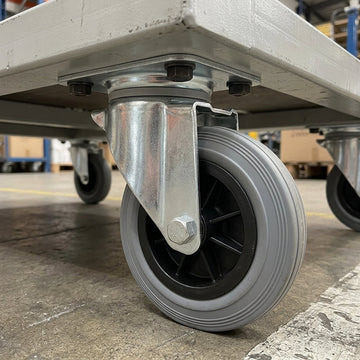
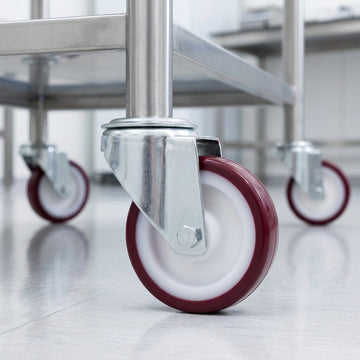
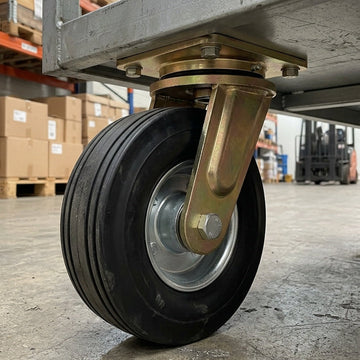
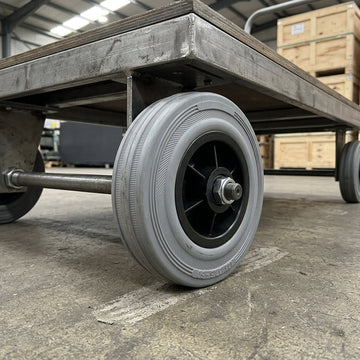

Our Clients
Best-value light duty castors
View all 150 → Save £3.28
 Save £3.20
 Save £3.30
 Save £3.40
 Save £3.80
 Save £3.83
 Save £3.60
 Save £3.45
Medium duty castors
View all 206 → Save £1.61
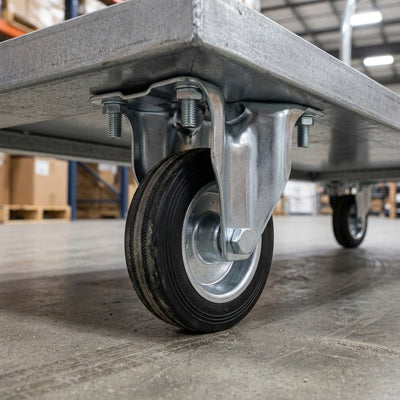
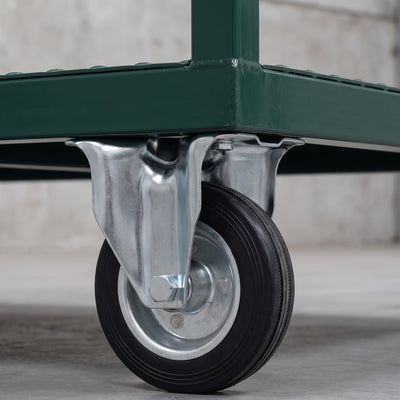 Save £2.09
 Save £1.40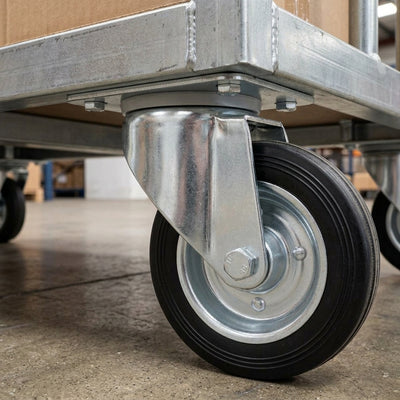
Heavy duty castors
View all 186 →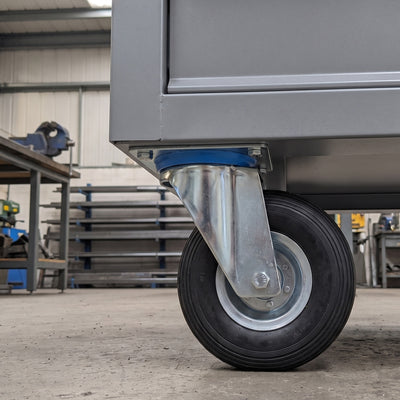
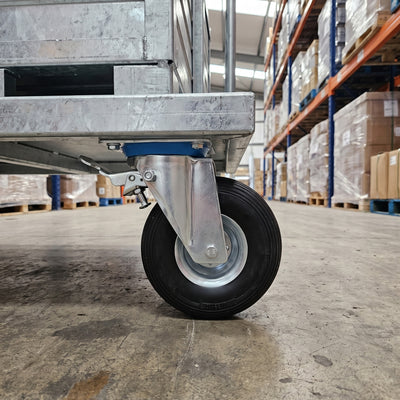
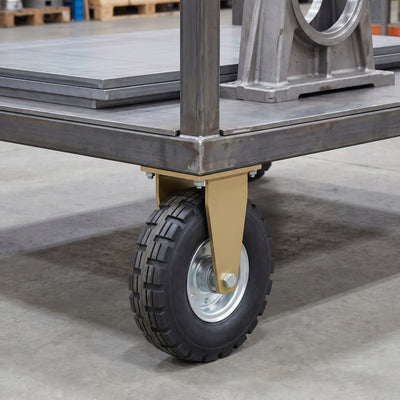
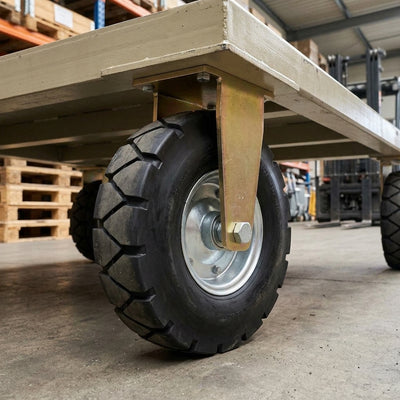
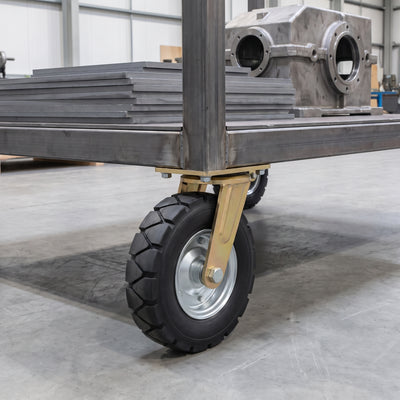

How to choose the right castor in 3 steps
Getting the load, wheel and fitting right first time saves returns, damaged floors and failed castors.
Work out the load per castor
Add the weight of the item to the heaviest load it will carry, then divide by 3, not 4. Floors are rarely perfectly level, so at any moment one castor may be carrying almost nothing.
Match the wheel to your floor
Soft wheels (rubber, TPR, polyurethane) are quiet and kind to finished floors. Hard wheels (nylon, polypropylene, cast iron) roll easily on smooth concrete and carry more weight. See the table below.
Pick the fitting and movement
Top plate castors screw or bolt to a flat base. Bolt hole castors fit through a single hole or tube. For steering, a common setup is 2 swivel castors with brakes plus 2 fixed castors.
| Wheel material | Best for | Floor protection | Noise |
|---|---|---|---|
| Rubber / TPR | Furniture, shop fittings, indoor trolleys | Excellent, non-marking options | Very quiet |
| Polyurethane | Warehouse and workshop trolleys, all-round use | Very good | Quiet |
| Nylon / Polypropylene | Smooth hard floors, wet or clean areas | Fair on soft floors | Moderate |
| Cast iron | Heavy loads on concrete, high temperatures | Can mark or damage finished floors | Loud |
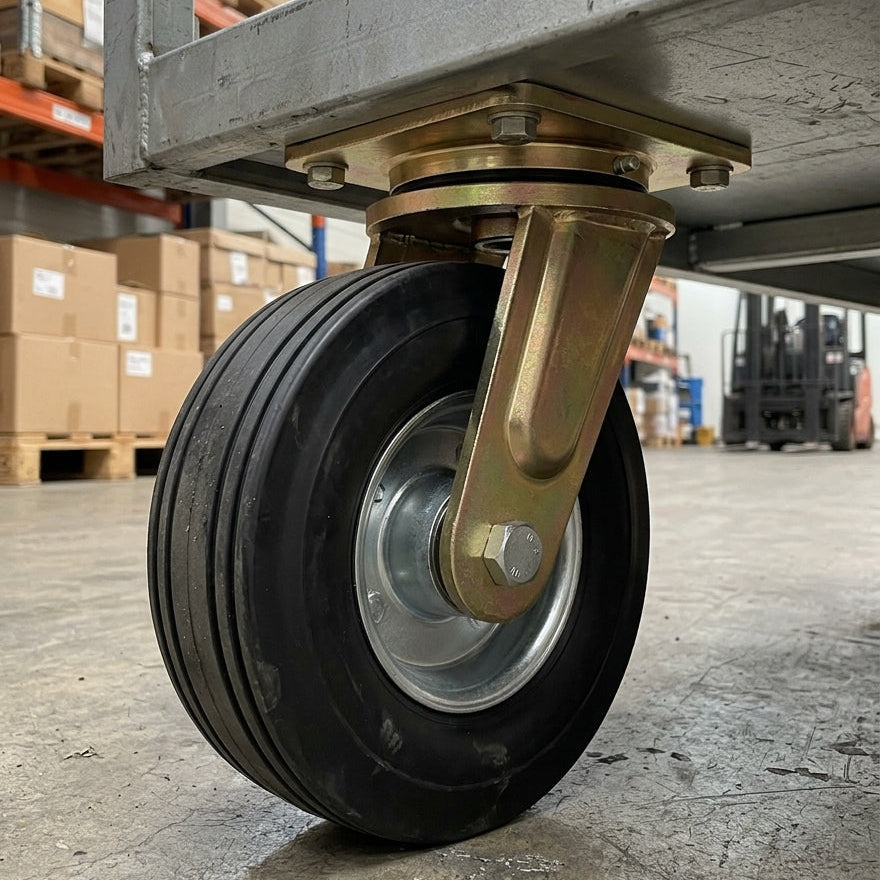
| Super-elastic rubber | Heavy industrial loads over uneven ground | Very good | Quiet |
Buying for a business?
Kitting out a warehouse, workshop, hospital or shop fit? Send us your list and quantities and we will quote for trade and bulk orders.
Castor questions, answered
What size castor do I need?
Work out the total weight (item plus its heaviest load) and divide by 3 to get the minimum load rating for each castor. Larger wheels roll more easily over uneven floors, cables and thresholds; 50-75mm suits furniture, 100-125mm suits most trolleys, and 150mm+ suits heavy or outdoor loads.
What is the difference between swivel, braked and fixed castors?
Swivel castors rotate 360 degrees so the load can be steered. Braked swivel castors add a brake to hold the load in place. Fixed castors only roll in a straight line and keep long loads tracking straight. A common setup is two braked swivel castors at one end and two fixed castors at the other.
Top plate or bolt hole castors: which should I choose?
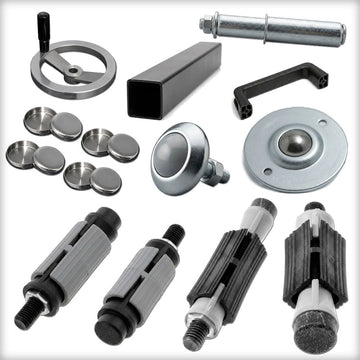
Choose top plate castors when you have a flat base to screw or bolt a plate to. Choose bolt hole castors when fitting through a single hole, into a tube, or where there is no room for a plate. Our Parts & Fittings range includes tube adaptors for bolt hole castors.
Which wheels will not mark my floor?
Grey rubber, TPR and polyurethane wheels are the kindest to finished floors such as wood, vinyl and tiles. Avoid cast iron and hard nylon wheels on delicate surfaces.
How much is delivery?
UK delivery is a flat £9.99 per order, whatever you buy and however many items you order.
Do you supply trade and bulk orders?
Yes. Call 01282 270214 or email sales@castorsuk.co.uk with the castors and quantities you need and we will come back to you with a quote.
Which castors are best for outdoor or uneven ground?
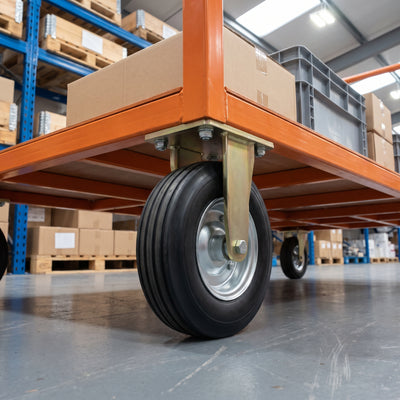
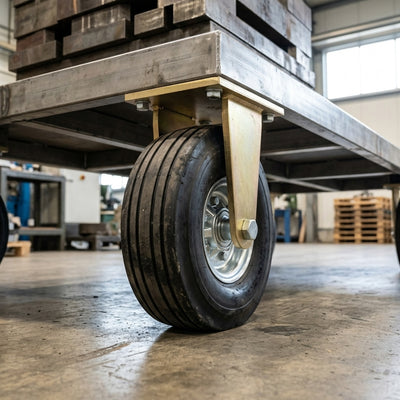
Larger wheels roll over cracks, bumps and thresholds more easily, so choose 150mm or bigger for outdoor use. Pneumatic and super-elastic rubber tyres cushion the load on rough ground, while hard nylon and cast iron wheels are best kept to smooth indoor floors.
Which castors can handle high temperatures?
Most rubber and polyurethane treads are rated to around +60°C to +80°C. For ovens, bakeries and other hot environments, choose phenolic wheels (up to around +280°C on some models) or high-temperature cast iron, and check the temperature range shown on each product page.
Can I buy replacement wheels without the castor?
Yes. We sell wheels on their own in a range of sizes and materials. Before ordering, match the wheel diameter, the tread width and the bore (axle hole) size of your existing wheel.